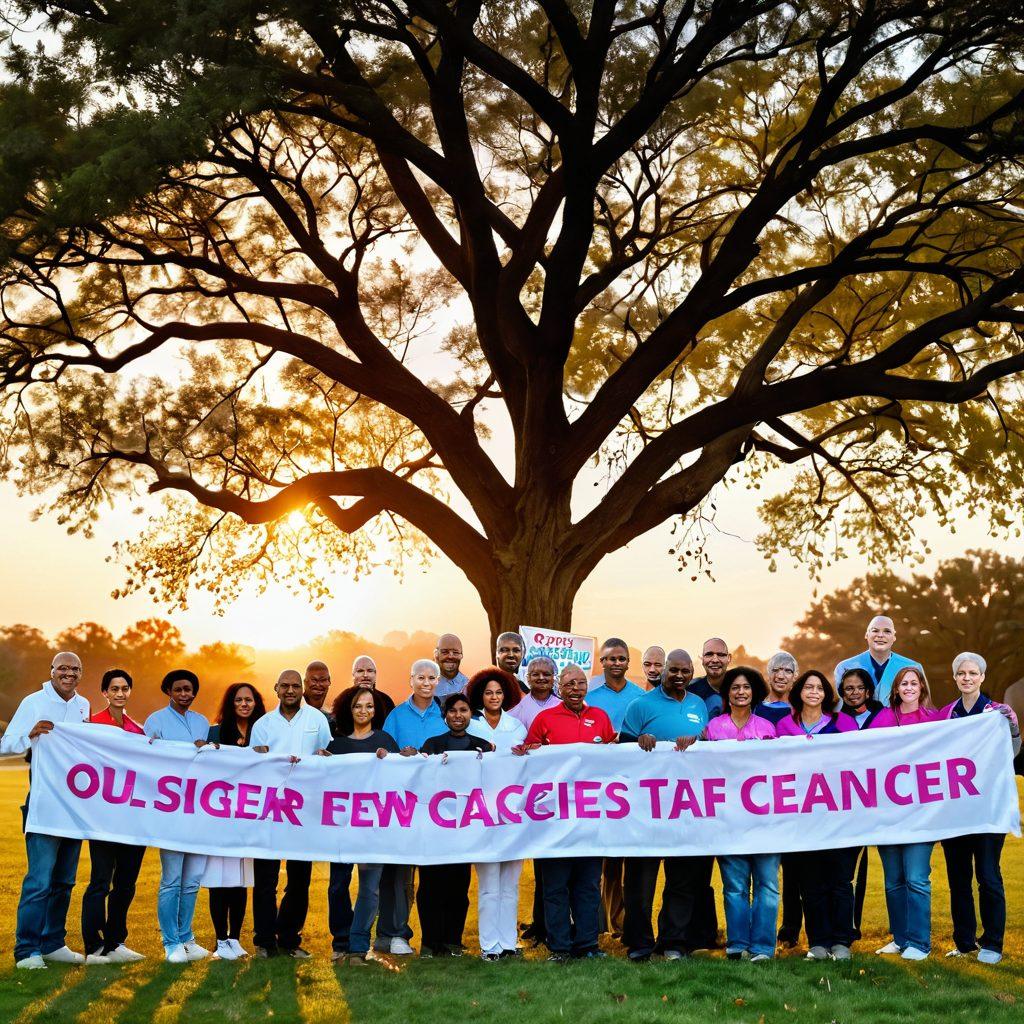
Empowering Cancer Journeys: Resources, Advocacy, and Community Support
Navigating the cancer landscape can feel like traversing a maze, with each turn revealing new challenges and opportunities for growth. For individuals confronting a cancer diagnosis, the path is often filled with uncertainty and fear. Yet, within this turbulent journey lies hope, resilience, and an inclusive cancer community that understands the struggles of dealing with a malignant disease. So, how can one find the right resources and support systems in this often-complex oncology world?
When faced with a cancer diagnosis, the first instinct is to seek knowledge, and rightly so. Cancer education is paramount; understanding cancer biology, treatment options, and available cancer resources can empower patients and families to make informed decisions. Did you know that many cancer organizations offer online platforms filled with valuable information on clinical trials and research updates? These resources are not just educational tools—they are lifelines that connect you to the broader cancer community, illustrating that you are not alone in your battle.
As you embark on your cancer journey, remember that it's not solely about the statistics or medical jargon. It's about storytelling and connection. Consider joining a support group where cancer survivors share their experiences, fears, and triumphs. These stories can inspire you, reminding you of the resilience of the human spirit when faced with a malignant disease. So, why not take that first step and reach out to meet others who understand the highs and lows of this path?
Nutrition for cancer is a vital topic often overlooked in conventional cancer care. Alongside your medical therapies, lifestyle changes can significantly impact your overall well-being. Imagine fueling your body with foods that not only support your treatment but also contribute to your mental health and holistic health approach. Various cancer blogs address the importance of nutritious diets tailored for cancer patients, offering recipes and tips from those who have walked this path before you. What meal plan would you consider trying tonight?
Lastly, actively engaging in cancer advocacy can be a powerful means to reclaim your narrative. Joining cancer events and participating in fundraising initiatives not only raises awareness for essential research but also fosters a sense of purpose. By sharing your voice and engaging with famous cancer organizations, you can contribute to a future where fewer lives are affected by this disease. So, what steps will you take to share your story and promote change in the cancer community?
From Diagnosis to Survival: Empowering Your Cancer Journey with Community
The moment you receive a cancer diagnosis can feel like your world has been turned upside down. It’s an overwhelming experience that ushers in uncertainty, fear, and countless questions. Yet, within this tumultuous journey lies an opportunity for empowerment, guided by the incredible resources available within the cancer community. From the alarming realities of cancer statistics to inspiring patient stories, every step from diagnosis to survival can be navigated with support, knowledge, and compassion. As we delve into how community plays a pivotal role in transforming cancer journeys, let’s remember: you are not alone.
What if you had a roadmap to guide you through your cancer journey? This is where cancer resources become indispensable. Healthcare institutions, non-profit organizations, and patient advocacy groups offer a wealth of information on oncology, tumor types, treatment options, and lifestyle changes that can support your healing. Engaging in cancer education can illuminate the path ahead, making the initially daunting concepts of cancer biology and cancer therapy more palatable. Have you considered reaching out to cancer blogs or attending cancer events for updated research and survivor stories? These platforms can provide not just information but also a sense of belonging, crucial for navigating the emotional terrain of a malignant disease diagnosis.
Support groups serve as safe havens where individuals undergoing similar challenges converge to share their experiences, hopes, and fears. The power of patient stories shared in these settings can be profoundly transformative. Hearing how others have triumphantly overcome their struggles can inspire resilience and foster a sense of camaraderie. By connecting with fellow cancer survivors, you can gain insights into managing mental health and cancer, and discover holistic health practices—everything from nutrition for cancer to mindfulness techniques—that have worked for others. Which aspect of the cancer journey do you find most challenging, and how could a support group perspective aid your understanding?
Additionally, the importance of cancer advocacy cannot be overstated. Advocacy efforts have led to improved cancer care standards, groundbreaking clinical trials, and increased funding for research—all crucial for advancing treatment options. Do you know any famous cancer organizations advocating for patients’ rights? Involvement in cancer fundraising events can not only contribute to a worthy cause but also help you connect with like-minded individuals who share your passion for making a difference. Imagine channeling your emotions into a project that empowers others; how can you become an advocate for yourself and the cancer community?
Finally, remember that your cancer journey is uniquely yours. While the statistics may reflect broader trends, your experience is one of a kind. As you navigate through the resources available, stay open to the support that comes from unexpected places. Empowerment in your journey comes from understanding that together, we can advocate for better cancer care, foster community connections, and inspire one another toward survival. What steps will you take today to further empower your cancer journey? Your story could inspire someone else to find their strength.
Advocacy and Education: Transforming Lives in the Fight Against Cancer
When faced with a cancer diagnosis, the world can feel overwhelming, layered in complexity and uncertainty. Yet within these challenges lies a powerful opportunity for advocacy and education, two pillars that are transforming lives in the fight against malignant disease. Imagine standing in the midst of a bustling cancer community, where stories of courage and resilience are shared, igniting hope in those who feel lost in their cancer journey. What role can we play together to support and uplift one another through this tumultuous time?
Advocacy is more than just raising awareness; it is a call to action. By championing the causes that affect those battling cancer, we can pave the way for essential cancer resources that make a difference in patient experiences. Organizations like the American Cancer Society and Cancer Research UK tirelessly work to provide critical cancer education and statistics, ensuring that everyone has access to the latest developments in cancer therapy and healthcare options. Wouldn’t you agree that knowledge is indeed power?
Moreover, patient stories remind us that we are never alone. The emotional journey of a cancer survivor can resonate deeply, offering a glimmer of hope to those currently grappling with their diagnosis. These narratives can be found in poignant cancer blogs, where individuals share not just their triumphs but also their trials. As we listen to these experiences, we become part of a community formed by shared struggles and victories. How can these stories reshape our understanding of what it means to truly support one another?
Navigating the complexities of cancer treatment can leave patients feeling like they are in a maze without a map. This is where education about cancer biology, clinical trials, and holistic health comes into play. Understanding the tumors and the biology behind cancer can empower patients to advocate for their needs, from lifestyle changes to nutrition for cancer during therapy. The knowledge gained can influence decisions made in consultation with healthcare professionals, ensuring a personalized and impactful cancer care experience. What lifestyle changes are you considering to support your own health journey?
Finally, the power of community cannot be underestimated. Support groups and cancer events play a critical role in providing spaces for emotional sharing and practical guidance. Whether it’s fundraising initiatives to fund research or collaborative discussions to improve mental health and cancer care, every effort counts. As we equip ourselves with education and unite for advocacy, we can continue to transform lives and uplift those impacted by cancer. How will you contribute to this vibrant community dedicated to fighting cancer together?